The Real Test for Vermont’s Economy: Can People Build a Life Here?
September 2026
Vermont’s unemployment rate was 2.6% in July, one of the lowest in the country. On the surface, that is a strong number, but it does not tell the whole story.
Over the past year, Vermont’s civilian labor force fell by more than 10,000 people, and the number of employed Vermonters declined by roughly the same amount. Low unemployment is encouraging when more people are finding work; it is more complicated when there are simply fewer people available to work.
For businesses across Southwestern Vermont, this is not an abstract statistic. Employers are trying to grow but often cannot find enough workers. Organizations are struggling to recruit experienced professionals. Families are wrestling with housing and child care costs, while businesses are trying to keep wages competitive as health insurance, property taxes, materials, utilities and regulatory costs continue to rise.
The challenge facing Vermont is no longer simply creating jobs. It is creating the conditions that allow enough people to live here and fill them.
That should shape how we think about the next legislative session. Housing policy is workforce policy. Child care is workforce policy. Education, health care, taxes, permitting, infrastructure and economic development all influence whether people can afford to stay in Vermont, move here and build a life.
Too often, we debate these issues in separate boxes. Families and employers do not experience them that way. A business owner does not separate a property tax increase from health insurance premiums, payroll costs, energy bills or regulatory delays. It all ends up on the same income statement. A family makes a similar calculation: What can we earn? What does housing cost? Can we find child care? What will health insurance and taxes take out of the household budget?
There are encouraging signs. Lawmakers avoided the double-digit average property tax increase that once appeared possible this year. Health insurance increases approved for 2027 came in well below what insurers originally requested. State officials, housing advocates and environmental groups have also found some common ground around wetlands regulation that could make it easier to build in designated growth areas.
Those are meaningful steps, but affordability is cumulative. Vermont cannot declare victory because one cost rose less than expected while several others continue to climb.
None of this means abandoning environmental protection, public services or the things that make Vermont special. Our quality of place is one of our strongest economic advantages. The goal should be to protect those strengths while making sure economic activity can still happen.
Southwestern Vermont offers several examples of what that can look like. Mack Molding continues to show that advanced manufacturing has a future here. Southwestern Vermont Medical Center remains both a critical health care institution and one of the region’s largest economic anchors. The Putnam Block demonstrates what sustained public-private investment can do for a downtown, while new investment at the former Southern Vermont College campus offers another opportunity to bring economic activity back to an important property.
These stories matter because Vermont can become so focused on documenting its problems that we forget to tell the story of what is working. That is part of why the Southwestern Vermont Chamber Foundation created InvestInSouthwest.org and why we are working with Hearst StoryStudio this fall to put the region’s economic story in front of investors, entrepreneurs, developers and business leaders across the Northeast.
We also know that attracting investment without attracting people only solves half the problem. Through the Chamber’s GROW Relocation and Retention initiative, supported by the Vermont Department of Tourism and Marketing, we are working directly with people considering a move to Southwestern Vermont and helping new residents build connections once they arrive. The program provides one-on-one support around jobs, housing, child care and other relocation needs, while also creating local opportunities that help newcomers feel connected to their communities. In its first two years, the statewide initiative helped 97 families and 195 new Vermonters relocate from 32 states and several international locations.
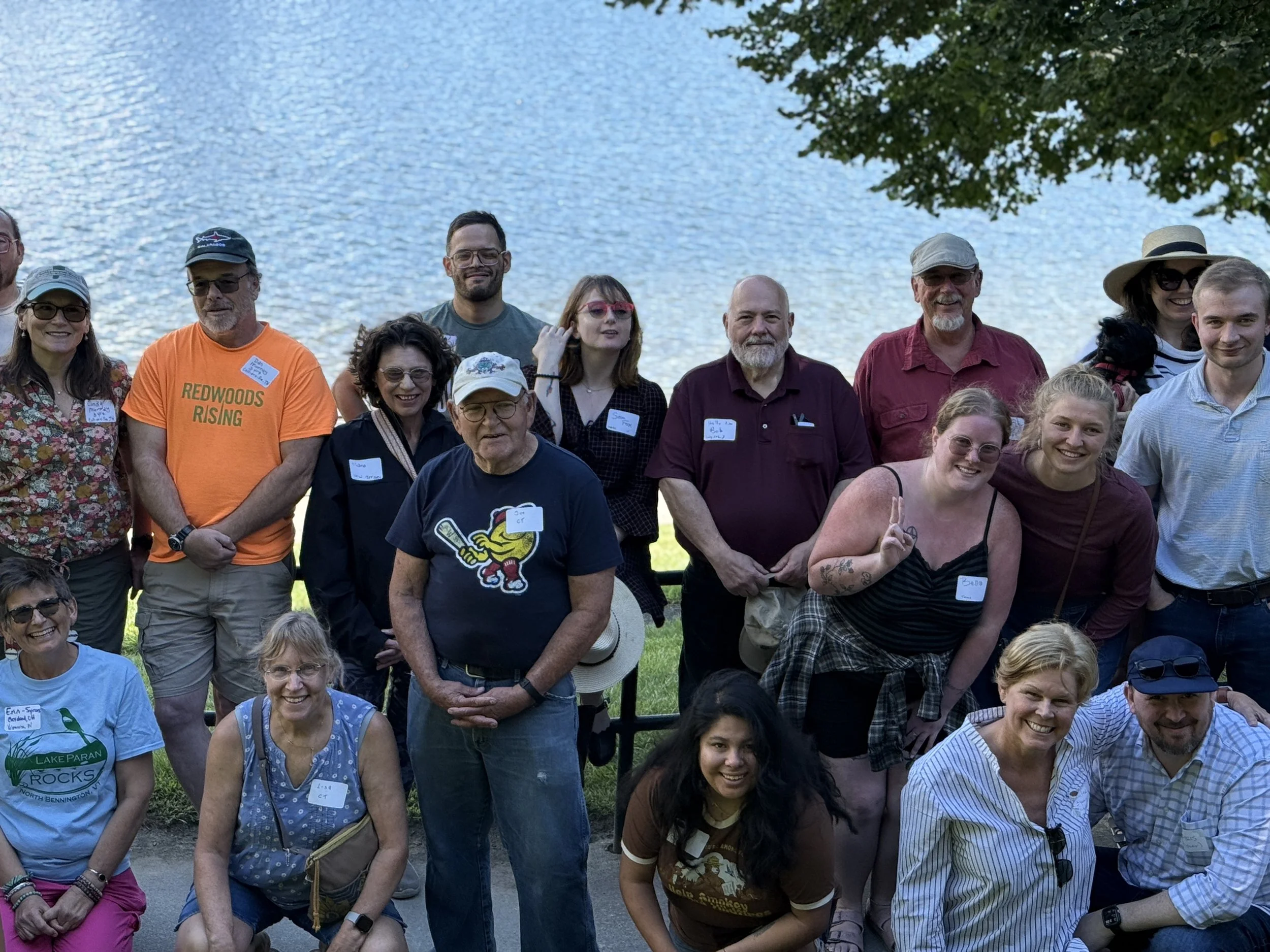
Our recent third annual New Vermonter Welcome Picnic at Lake Paran brought nearly 60 new residents together around something simple but essential: community. Economic development is often discussed in terms of buildings, incentives and job creation, but whether someone stays in Vermont may come down to whether they find friends, professional connections and a sense that they belong here. We cannot simply recruit people to Vermont; we have to give them reasons to put down roots.
Economic development cannot be passive, and public policy cannot simply be about managing decline. We need to be more intentional about growth and more disciplined about connecting the issues that make growth possible.
We need housing because we need workers. We need workers because businesses need to grow. We need growing businesses because they create jobs, wages and tax revenue. And we need communities where people can afford to build lives if we expect any of that growth to last.
That is the measure we should really be watching.
Always Onward,
Matt Harrington
CEO of the Southwestern Vermont Chamber Foundation