From the CEO’s Desk: Why Bennington Needs More Than a Ferris Wheel
By Matt Harrington, CEO of the Southwestern Vermont Chamber and the Chamber Foundation
There’s something charming about a Ferris wheel.
It’s visible. It’s celebratory. It promises motion, views, and a bit of joy. In recent months, the idea of bringing a Ferris wheel to Bennington has generated headlines, conversation, and genuine curiosity. That’s not a bad thing. A community that’s talking about its future is a community that still cares.
But here’s the harder truth we need to sit with: a Ferris wheel won’t fix what ails us.
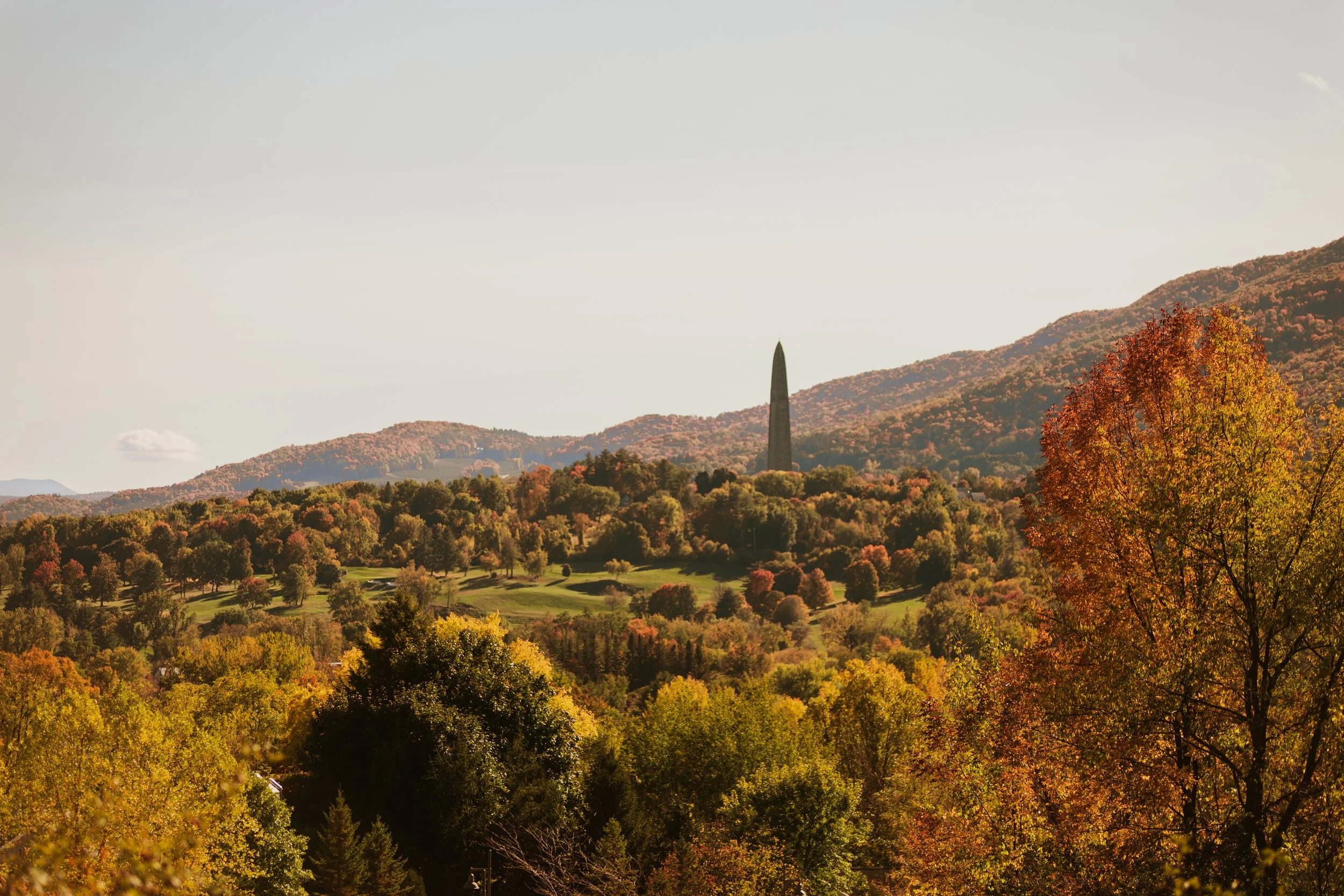
Bennington already knows this lesson. We are home to the Bennington Battle Monument, a 306-foot landmark and the most visited historic site in the state. It’s iconic. It’s meaningful. And yet, on many days, it does not translate into sustained downtown foot traffic, new families moving here, or a growing workforce pipeline. Big things, by themselves, don’t do big work.
When communities face complex challenges like workforce shortages, housing constraints, childcare gaps, stagnant population growth, and wage pressure, it’s natural to reach for something shiny. Something tangible. Something that feels decisive. This is called divergent thinking: lots of ideas, lots of motion, lots of noise, lots of different directions. It’s energizing at first. We also call it brainstorming.
Then comes what many know as the Groan Zone.
That uncomfortable middle space where the excitement fades, the problems feel tangled, challenges become more complex than previously thought, and progress slows. Vision gets blurry and patience wears thin. This is the moment when communities either do the hard work of convergence - aligning ideas, people, and resources around a shared direction - or get distracted by the next bright object rolling into view.
Real economic development doesn’t happen at the top of a ride. It happens in the unglamorous, often invisible work of strengthening systems: housing policy that aligns with workforce needs; childcare that allows parents to participate fully in the economy; education and training pathways that actually match employer demand; compensation structures that let people build lives here, not just pass through.
It also happens when we invest, seriously and consistently, in the institutions that already carry this work forward: local journalism like the Bennington Banner, which helps communities stay informed; conveners like the Chamber; economic development partners who plan and chart paths forward; town staff that are looking for ways to grow the community; and the many nonprofits quietly holding pieces of this puzzle together.
It means ensuring our attention at the state level is as focused as our ambition locally — aligning legislation, funding, and policy with the realities facing regions like ours.
These aren’t flashy investments. They don’t photograph well. But they compound over time.
This doesn’t mean Bennington should stop dreaming. It means we should dream smarter.
Before we ask what new attraction we can build, we should ask harder questions:
Who will work here in ten years?
Can young families afford to stay or come back?
Do we have the framework in place for a future economy?
Do our systems talk to each other, or operate in isolation?
Are we investing for headlines, or for outcomes?
If we’re honest about what will actually grow the economy in Bennington and the region, the answer is not a single attraction or sector. Healthcare will continue to expand as our population ages and care models evolve. Professional services - accountants, bookkeepers, attorneys, architects, journalists, designers, marketers and IT specialists - are already in short supply and are quietly constraining business growth.
Construction and the skilled trades are essential if housing and infrastructure are ever to catch up with demand. The service and hospitality sector — lodging, retreats, restaurants, and food service — remains an important and growing employer as we see continued investment and expansion. Retail, especially iconic Vermont-made goods such as pottery, woodcraft, artisanal food, and small-batch manufacturing, continues to anchor a sense of place and value, but its future depends on a new generation of shop owners willing to build, adapt, and stay.
Our nonprofit and social sector, often overlooked, is both a major employer and a stabilizing force in the regional economy. Tourism plays a role, but it is a complement - not a substitute - for these foundational industries.
Ferris wheels come and go. Resilient economies are built slowly, deliberately, and together.
If we want a stronger Bennington and region - one that grows businesses, supports workers, and creates real opportunity - we’ll need patience, focus, and the courage to turn away from distractions when the work gets tough. That’s not as thrilling as a ride. But it’s how communities actually move forward.
Matt Harrington is CEO of the Southwestern Vermont Chamber of Commerce, where he has led the organization for more than a decade promoting, leading, and advocating a unified effort on behalf of its members to maintain and improve a healthy business climate and a rewarding quality of life across The Shires of Southwestern Vermont. He is also CEO and a founding board member of the Southwestern Vermont Chamber Foundation, a nonprofit dedicated to advancing the regional economy through business development, workforce growth, and community development. Born and raised in Bennington, he currently lives there with his family.