Economic Storytelling Is Necessary Infrastructure
A few weeks ago, I was with a group of economic development leaders. As we worked through an initiative involving strategy, funding, partnerships, implementation, and what would ultimately become some very positive outcomes, someone said, almost as an afterthought, "And we should put together a press release to highlight this effort."
It struck me because that was the only meaningful thought given to communicating the work. Even twenty years ago, when I was a student studying marketing and business, that sentence would have sounded obvious - almost elementary.
Of course we need a press release. But a press release alone won't generate the kind of flywheel effect needed to capture attention, build understanding, and help people see the larger campaign or cause behind the work.
If we genuinely believe a project matters - to investors, entrepreneurs, employers, future residents, or even our own communities - then telling its story should never be the final, underfunded step. It should be part of the strategy from the very beginning. A press release is no longer enough (if it ever was). Meaningful initiatives deserve a platform, a coordinated campaign, compelling visuals, trusted data, thoughtful storytelling, and a sustained effort to explain not only what is happening, but why it matters.
That may sound like marketing, but I would argue it is infrastructure.
For generations, economic development has focused on the tangible building blocks of prosperity: roads, water systems, broadband, housing, workforce development, permitting, financing, and public investment. Every one of those remains essential. But communities today compete in a very different environment than they did even a decade ago.
Increasingly, they compete through perception, confidence, visibility, and narrative. Investors are asking different questions. Young professionals are choosing communities differently. Entrepreneurs are evaluating markets long before they ever visit them. Site selectors often know more about a region before their first meeting than many communities realize.
If we fail to tell our story, we should not assume someone else will tell it for us (or at least a positive one). More often than not, no one will. And when that happens, communities become defined by fragmented headlines, outdated assumptions, social media commentary, or narratives that emphasize only challenge while overlooking opportunity. The absence of a story becomes its own story.
That realization has fundamentally changed how we approach our work at the Chamber and the Chamber Foundation. Over the past year, we've begun building what I would describe as an ecosystem of economic storytelling. We introduced the bi-annual Business Insider Report to provide our investor members with regional economic intelligence instead of simply organizational news. We began producing visitor reports using modern location analytics, expanded legislative updates, executive columns, research briefs, and digital communications designed to explain—not simply promote—the forces shaping our regional economy.
Most recently, we launched InvestInSouthwest.org, not simply as another website, but as a digital front door for Southwestern Vermont. It brings together economic data, regional reports, business resources, development opportunities, leadership initiatives, community stories, and investment perspectives into one place. Its purpose is straightforward: to help investors, entrepreneurs, business owners, developers, workforce recruiters, and future residents discover the opportunities that already exist here.
None of these efforts were created because we needed more marketing materials. They were created because regions increasingly need a stronger economic case for change.
Housing is no longer simply a housing conversation; it is a workforce strategy. Childcare is not merely a family issue; it is labor force participation. Downtown revitalization is about entrepreneurship, quality of place, and talent attraction. Tourism supports retail, hospitality, and community identity. When communities communicate these issues separately, people see isolated problems. When they tell the larger story, people begin to understand how the pieces fit together.
Good storytelling creates shared understanding. Shared understanding builds confidence. Confidence encourages investment. Investment creates momentum. And momentum has a remarkable way of attracting even more momentum.
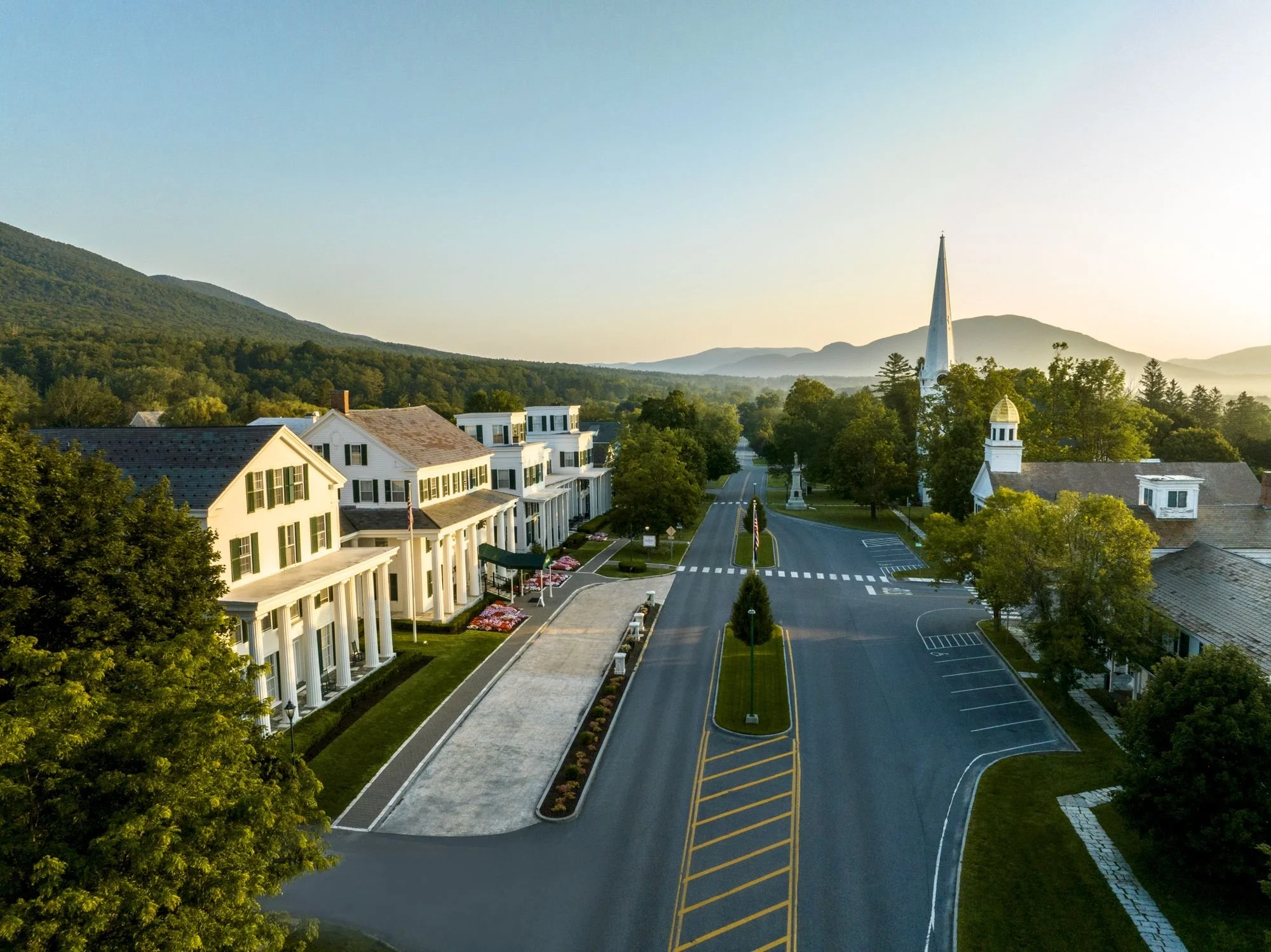
Southwestern Vermont already possesses extraordinary assets: remarkable landscapes, thriving manufacturers, world-class healthcare, entrepreneurial businesses, historic downtowns, four-season recreation, engaged civic leadership, and a location uniquely positioned between New York, Massachusetts, and the rest of Vermont. None of those assets achieve their full value if they remain disconnected stories. Our responsibility is to weave them into one compelling narrative about who we are, what we value, and where we are headed together.
We often say communities should invest in roads because roads connect people, broadband connects information, housing connects workers to opportunity. I would suggest communication deserves to be viewed through the same lens. Economic storytelling connects ideas, aligns partners, inspires confidence, and creates the momentum upon which lasting prosperity is built.
If we want to compete for investment, talent, businesses, and families, we cannot assume people will discover Southwestern Vermont on their own. We have to show them who we are, where we're headed, and why this region is worth believing in.
Because in today's economy, the communities that shape the narrative are increasingly the communities that shape their own future.
Always Onward,
Matt Harrington
CEO of the Southwestern Vermont Chamber Foundation